Peatlands of the Udmurt Republic
A Case Study in Russian Wetland Conservation
Exploring the ecological significance, cultural heritage, and restoration potential of Udmurtia's vast peatland ecosystems

Research & Ecological Assessment
Understanding the vital role of Udmurt peatlands in global carbon storage and biodiversity conservation
Carbon Storage & Climate
Udmurt peatlands store 204.7 million tons of peat across 619 deposits, representing a massive carbon sink. These wetlands prevent CO2 release and play a crucial role in climate regulation, storing more carbon per hectare than any other ecosystem.
Biodiversity Hotspot
Nechkinsky National Park alone hosts 712 plant species—70% of Udmurtia's flora. These peatlands provide critical habitat for rare species including the Russian desman, black stork, and numerous migratory birds.
Water Regulation
Peatlands act as natural sponges, storing water during wet periods and releasing it slowly during droughts. They filter pollutants, regulate river flow, and maintain water quality for downstream communities.
Geographic Distribution
Peat deposits concentrate in four main basins: Cheptsa (76.5M tons), Kilmez (58.3M tons), Prikamskaya (46.1M tons), and Southwestern Lowland (23.8M tons), forming a critical wetland network.

Peatland Distribution Map
Interactive map showing pristine, degraded, and rewetted peatland sites across Udmurtia
Peatland Distribution Map
Legend
Peatland Status
Cities
Click on markers to see details about peatland sites and cities
Summary Statistics
Peatland Extent & Land Use Changes (1950-2025)
Visualization shows the transformation of Udmurt peatlands from 1950 to 2025, highlighting drainage impacts and recent restoration efforts.
Conservation & Restoration
Addressing threats and implementing rewetting strategies to restore degraded peatlands

Historical Drainage
Soviet-era agricultural expansion led to widespread peatland drainage. Drained peatlands oxidize, releasing stored carbon and subsiding up to 1 meter, transforming carbon sinks into emission sources.
Peatland Fires
Degraded, drained peatlands are highly vulnerable to catastrophic fires. The 2010 Russian wildfires released an estimated 5-10% of annual global carbon emissions, highlighting the urgent need for rewetting.
Rewetting Projects
Russia has rewetted over 73,000 hectares in the Moscow Region. Rewetting restores water tables, reduces fire risk, revives biodiversity, and transforms peatlands back into carbon sinks.
Sustainable Paludiculture
Wet agriculture (paludiculture) allows sustainable harvesting of sphagnum moss, reeds, and cranberries while maintaining high water tables, providing economic alternatives to drainage.
Cultural & Educational Heritage
Honoring Udmurt traditions and the sacred relationship between people and peatlands
The Udmurt People
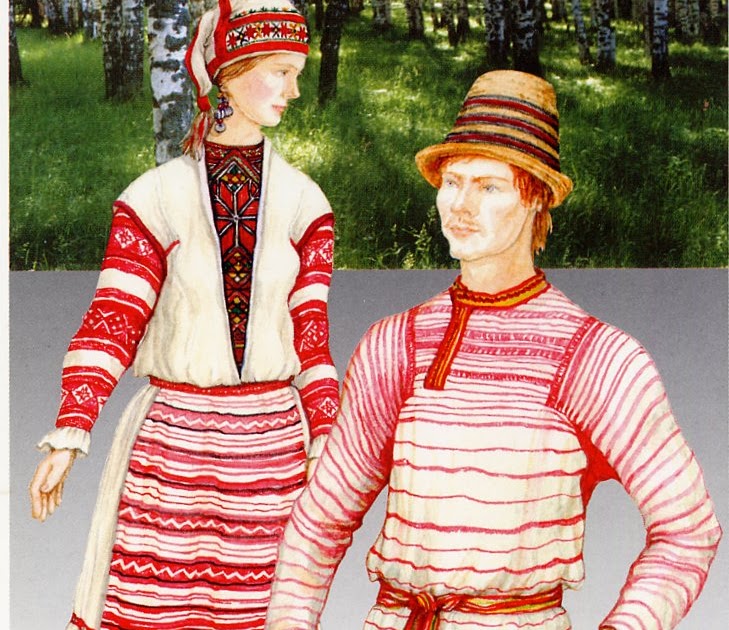
The Udmurts are a Finno-Ugric people with deep roots in the Kama River basin. Known as "meadow people," they have lived in harmony with wetlands and forests for millennia, developing rich traditions tied to the land.
Sacred Wetlands & Forest Spirits
In Udmurt animistic belief (Udmurt Vos), every natural feature has a spirit. N'ulesmurt (Forest Man) and Obyda (Forest Woman) guard the bogs. Wetlands are liminal spaces where offerings are made to water spirits, and sacred birch groves near peatlands serve as sites for ceremonies.
Traditional Ecological Knowledge
Udmurt elders possess invaluable knowledge of wetland plants used in traditional medicine, seasonal patterns, and sustainable harvesting practices. This knowledge is being documented to inform modern conservation efforts.
Symbols & Sacred Elements
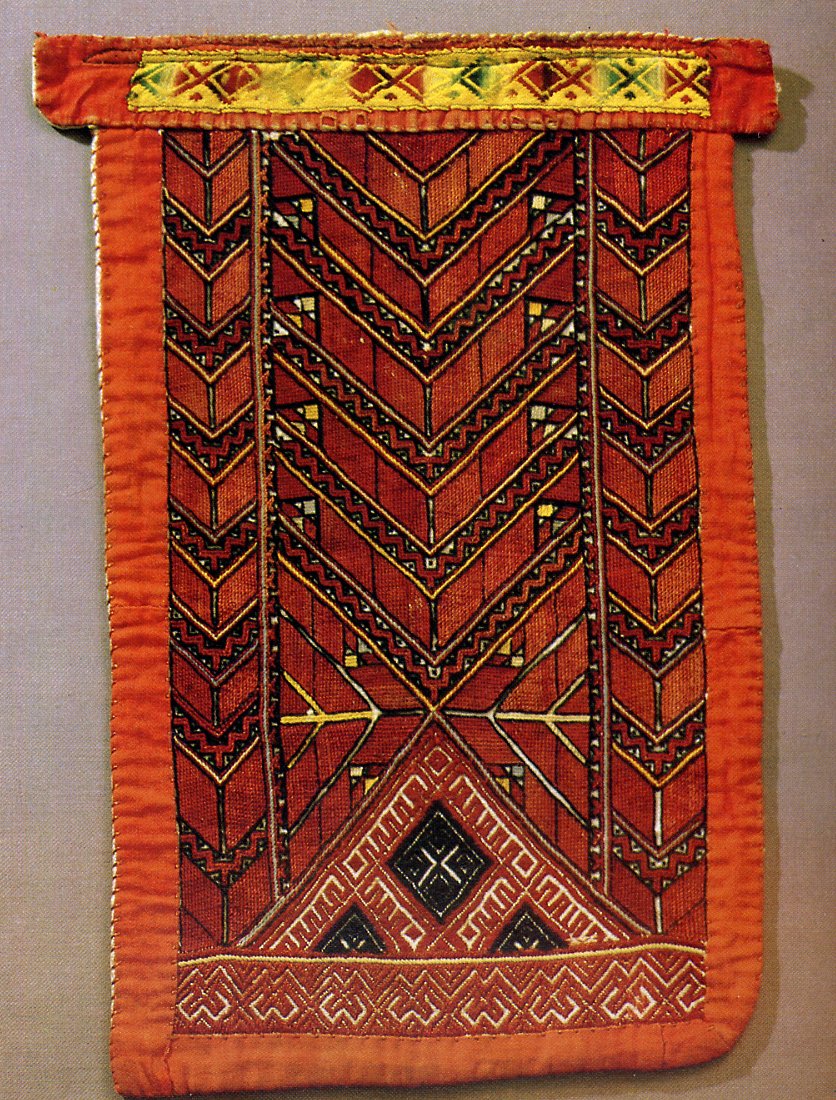
Traditional Udmurt colors—red (sun/life), black (earth/stability), white (purity)—reflect their worldview. Sacred animals include the bear (forest master), elk, swan (purity), and waterfowl. Sacred plants like birch (purification) and rowan (protection) are central to rituals.

About This Knowledge Hub
This comprehensive resource brings together scientific research, conservation strategies, and cultural heritage to showcase the Udmurt Republic's peatlands as a critical case study in Russian wetland conservation. Drawing from 83 peer-reviewed studies and traditional knowledge, we document the ecological significance of 619 peat deposits totaling 204.7 million tons.
The Udmurt Republic, located in the Kama River basin of European Russia, represents a microcosm of broader challenges and opportunities facing Russian peatlands. By understanding and protecting these ecosystems, we preserve not only vital carbon sinks and biodiversity hotspots, but also the cultural heritage of the Udmurt people who have stewarded these lands for generations.